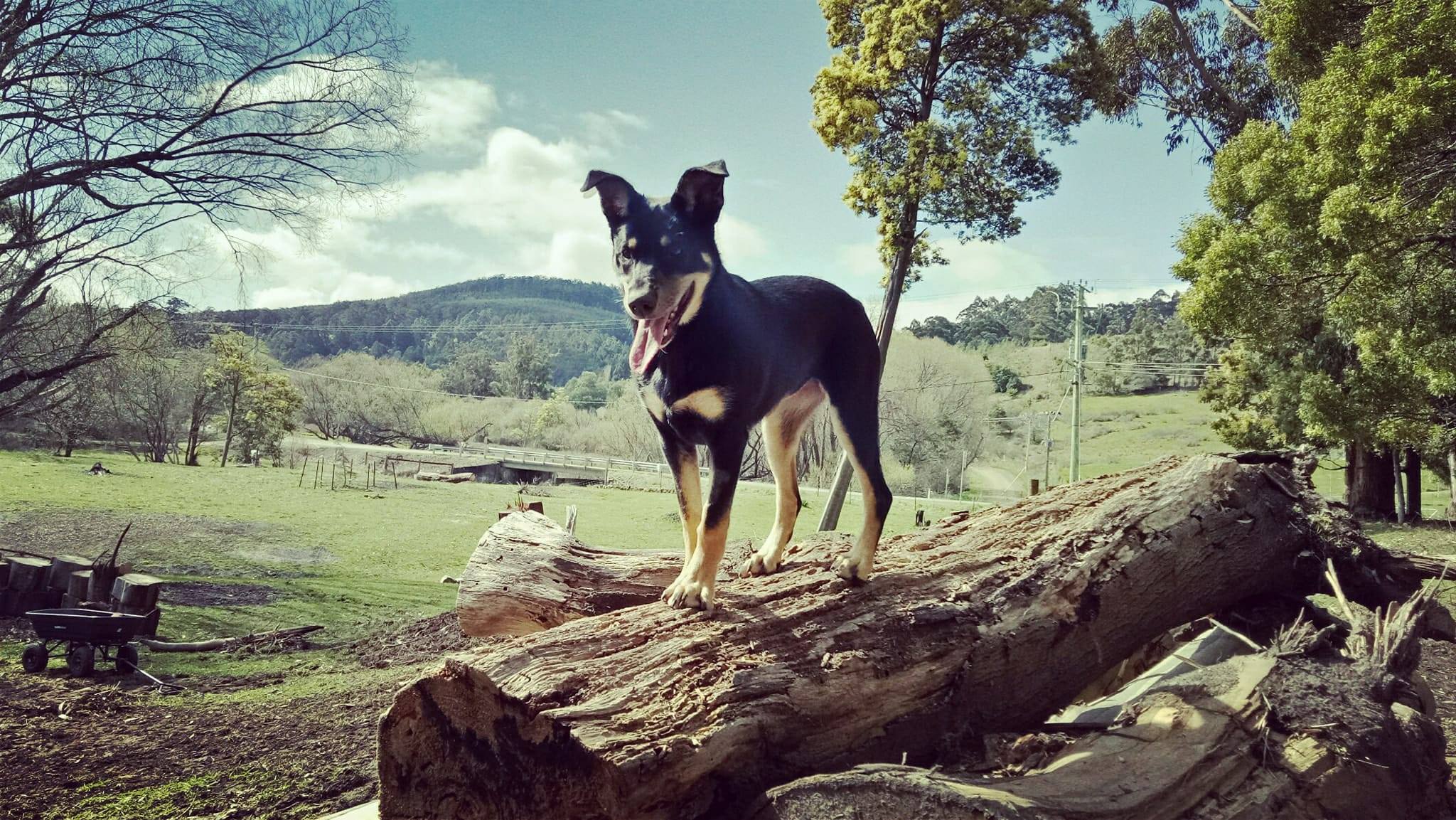
Sheeba
Executive Officer
Five-year-old Australian Kelpie. Sheeba spends her day rounding up the sheep. What for? Who knows.
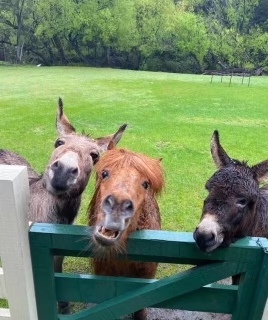
They can’t wait to meet you. Most of the team are happy to be fed by guests, and the donkeys will hold you to it.
Executive Officer
Five-year-old Australian Kelpie. Sheeba spends her day rounding up the sheep. What for? Who knows.

Concierge
Twelve-month-old Maltese princess, cute, cuddly, and our energiser bunny.
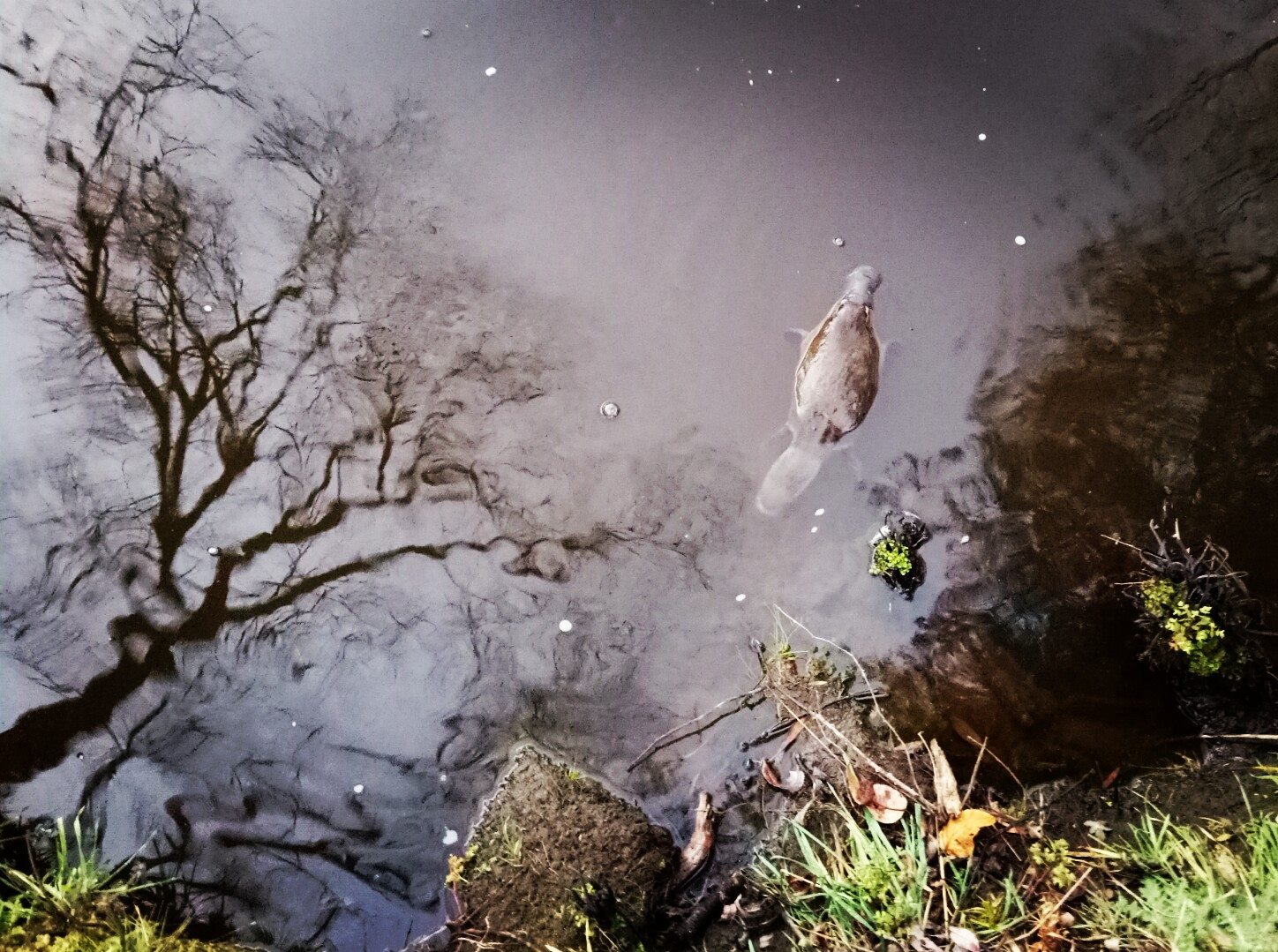
Surveillance Officer
Every night as the sun goes down Percy the platypus begins his rounds of Scott’s Rivulet. He’s very stealthy. Can you spot him?
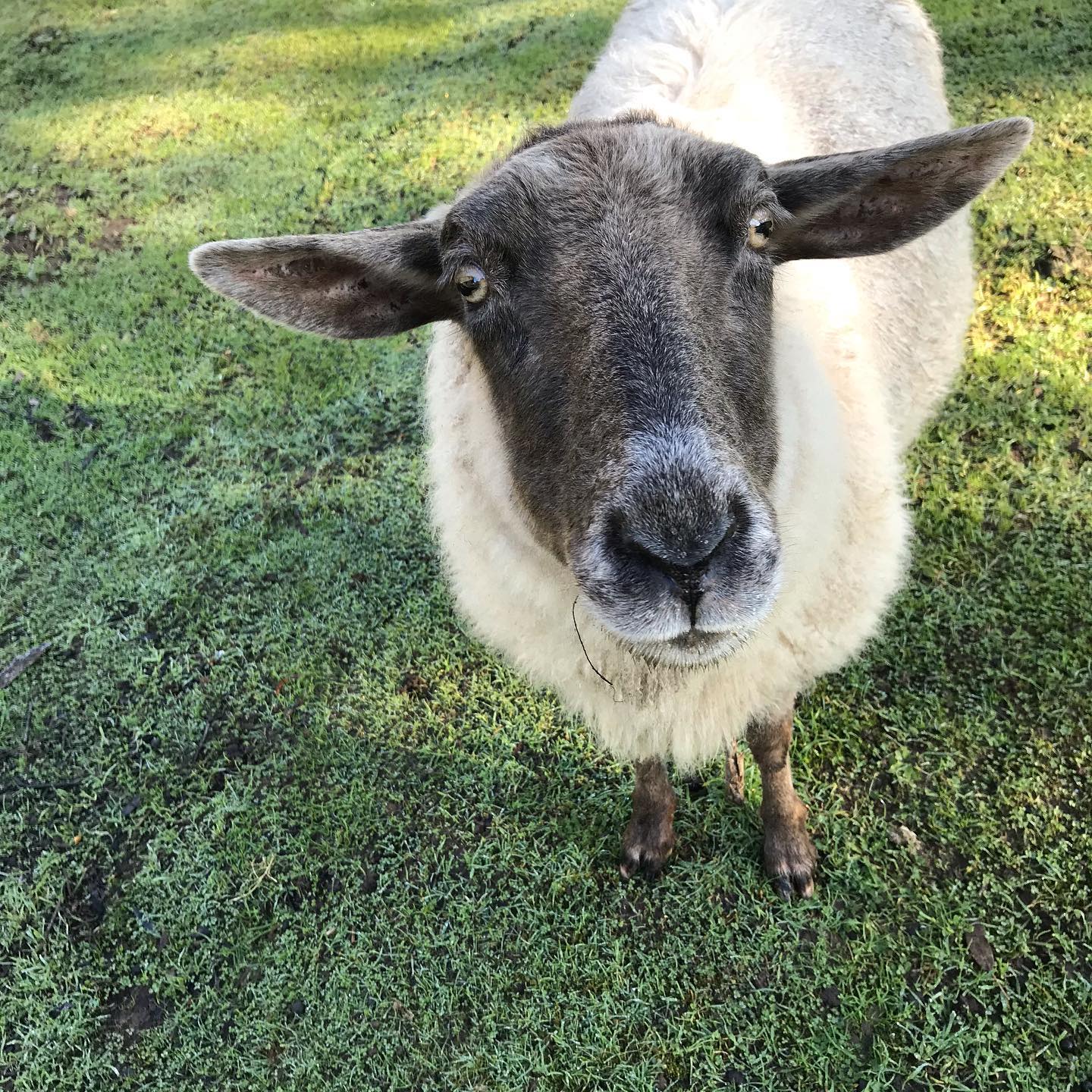
Groundskeeper
She keeps the grass short and morale high. Sparkles is the oldest of our four sheep, often shadowed by a sweet little black-faced lamb.
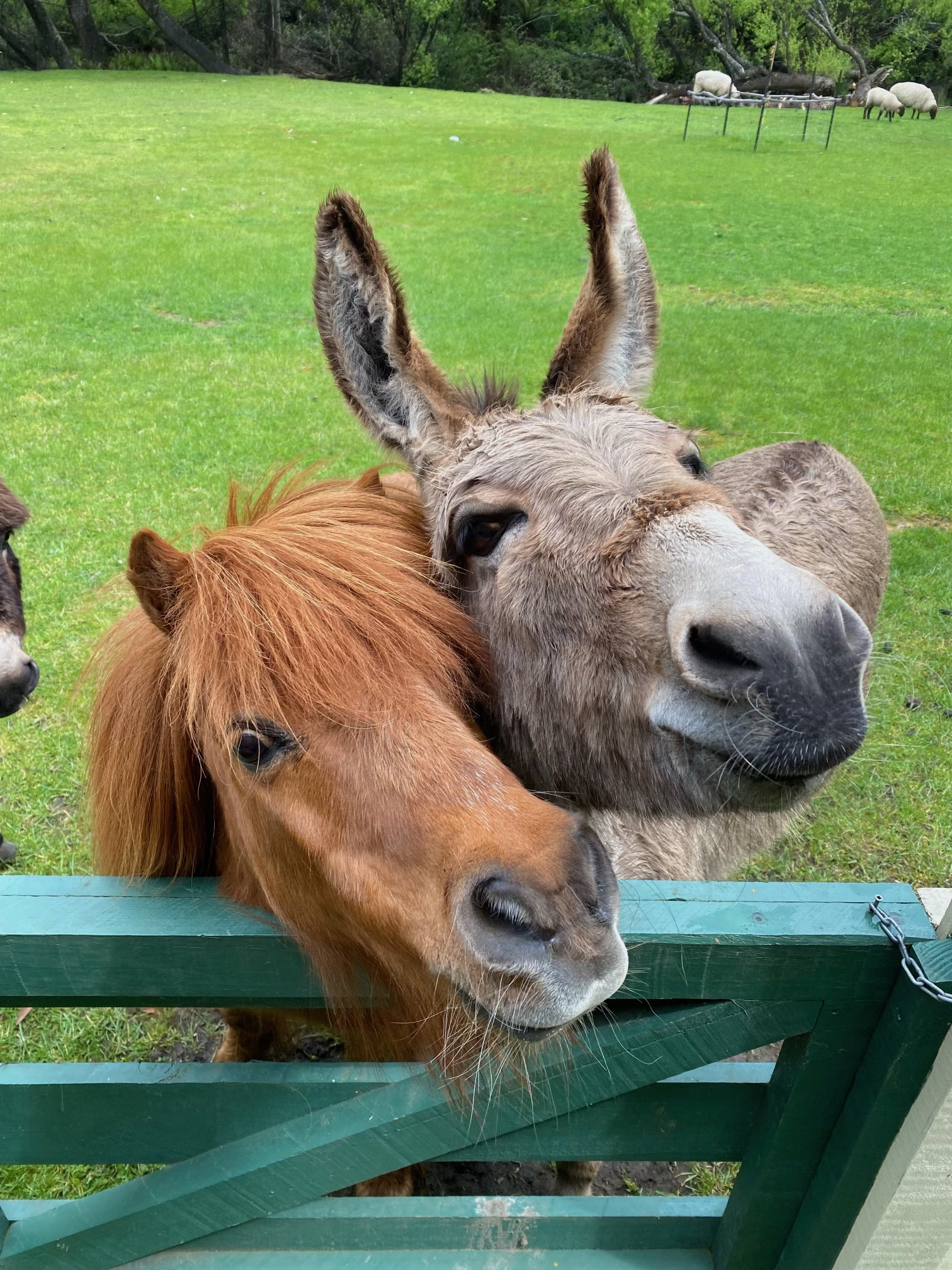
HR Managers
They might be miniature in size but they make up for it with huge personalities. Give them a carrot and you will be forever loved.
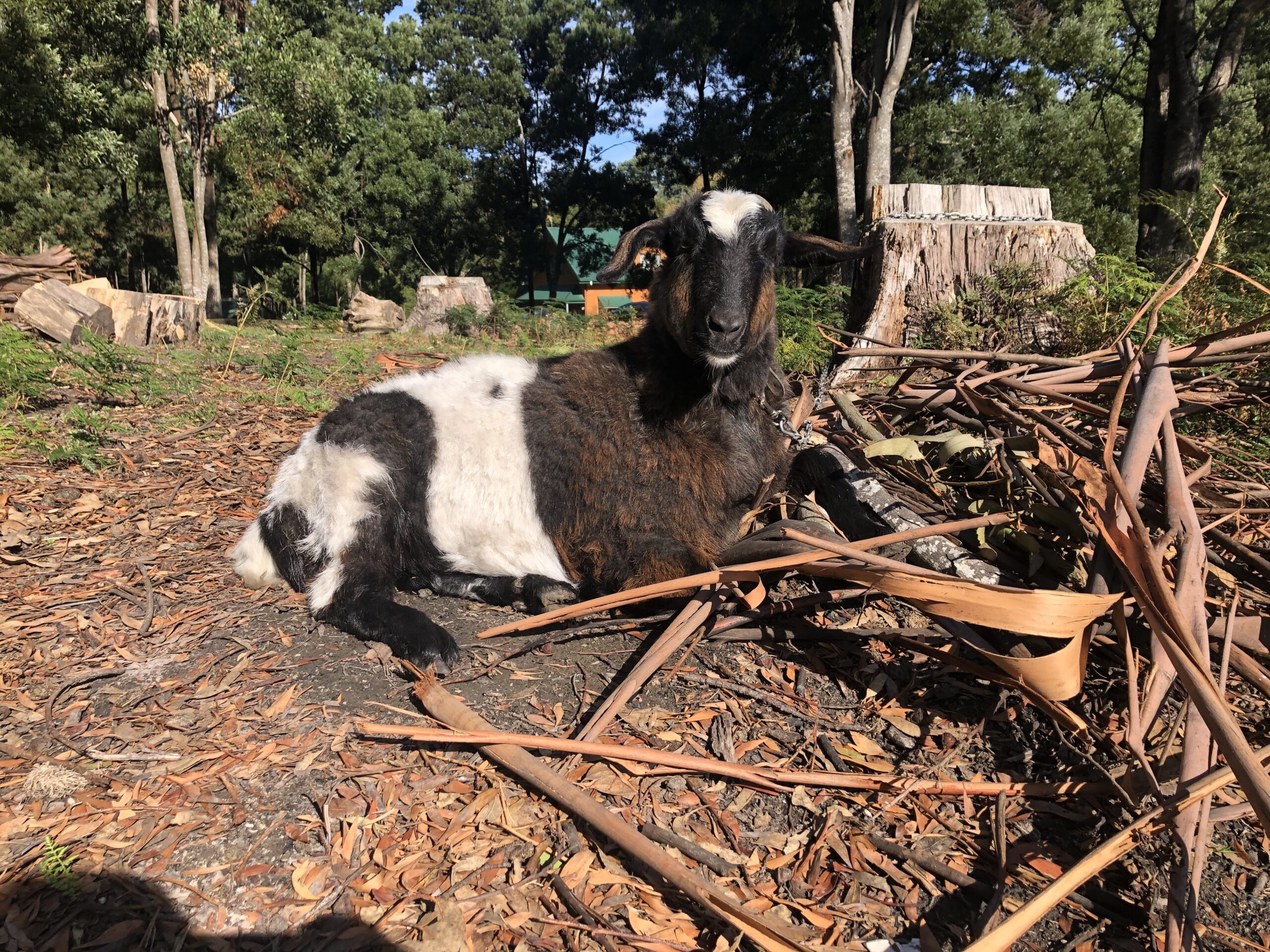
Apprentice Groundskeeper
When Mo isn’t doing backflips off stumps or trying to climb trees, he’s keeping our favourite plants trimmed right back. Thanks, Mo.
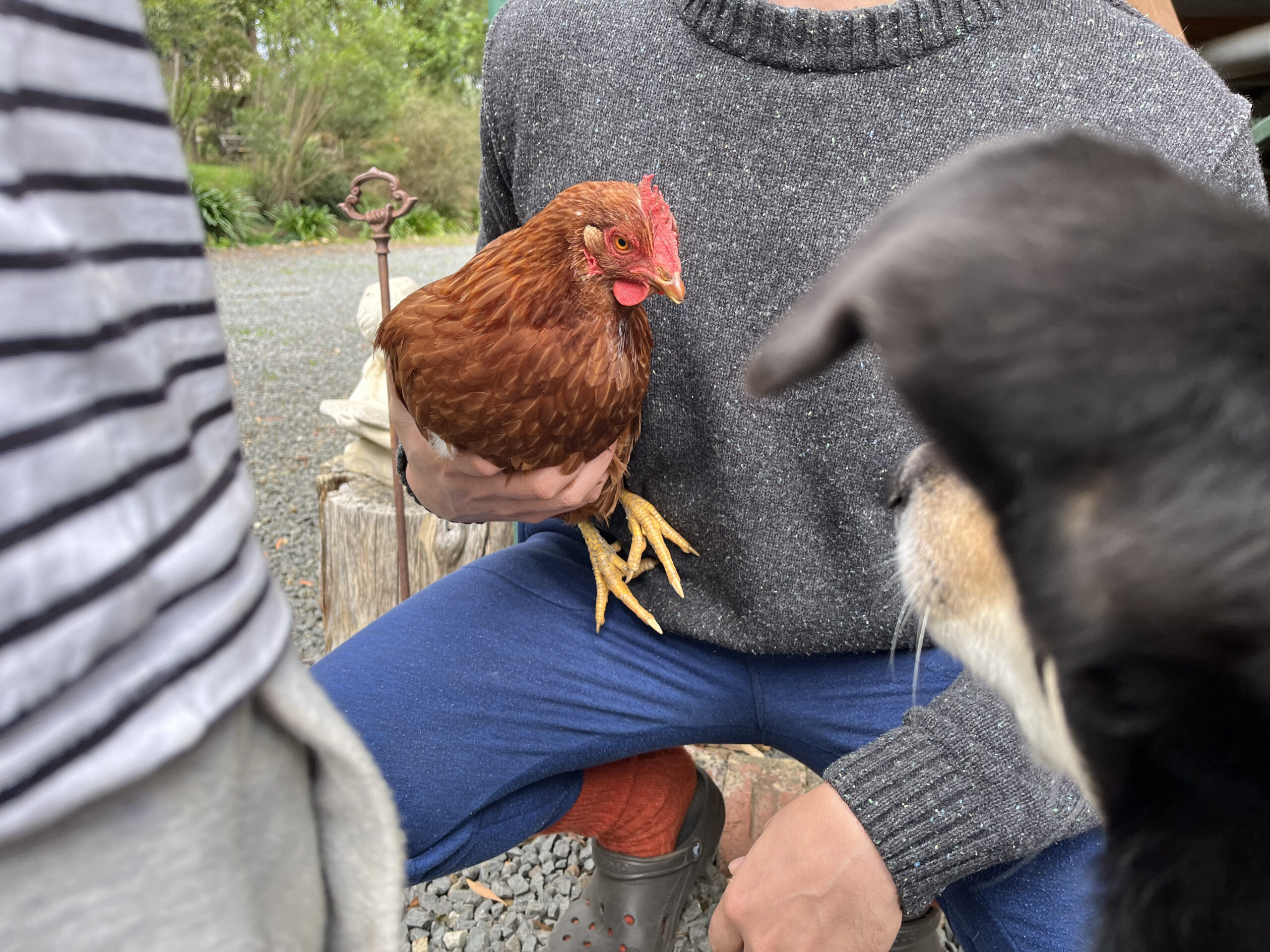
Production Assistants
These girls work day and night to produce the tastiest eggs for your plate. The most golden of yolks. The finest in all the lands.
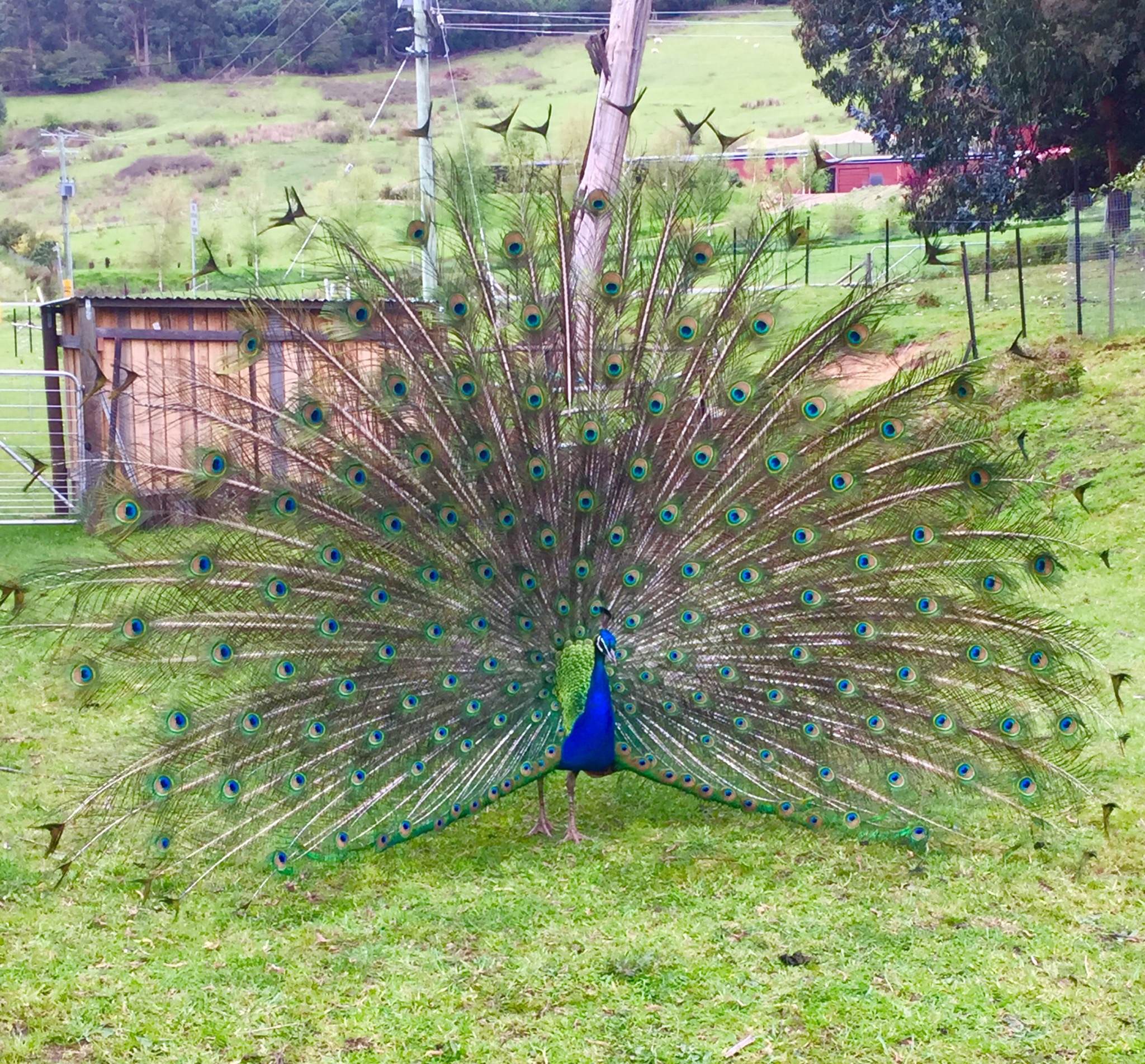
Event Management
Pea Pea has been training his entire life for these events. And boy can he put on a good show. “Shake it, baby!”
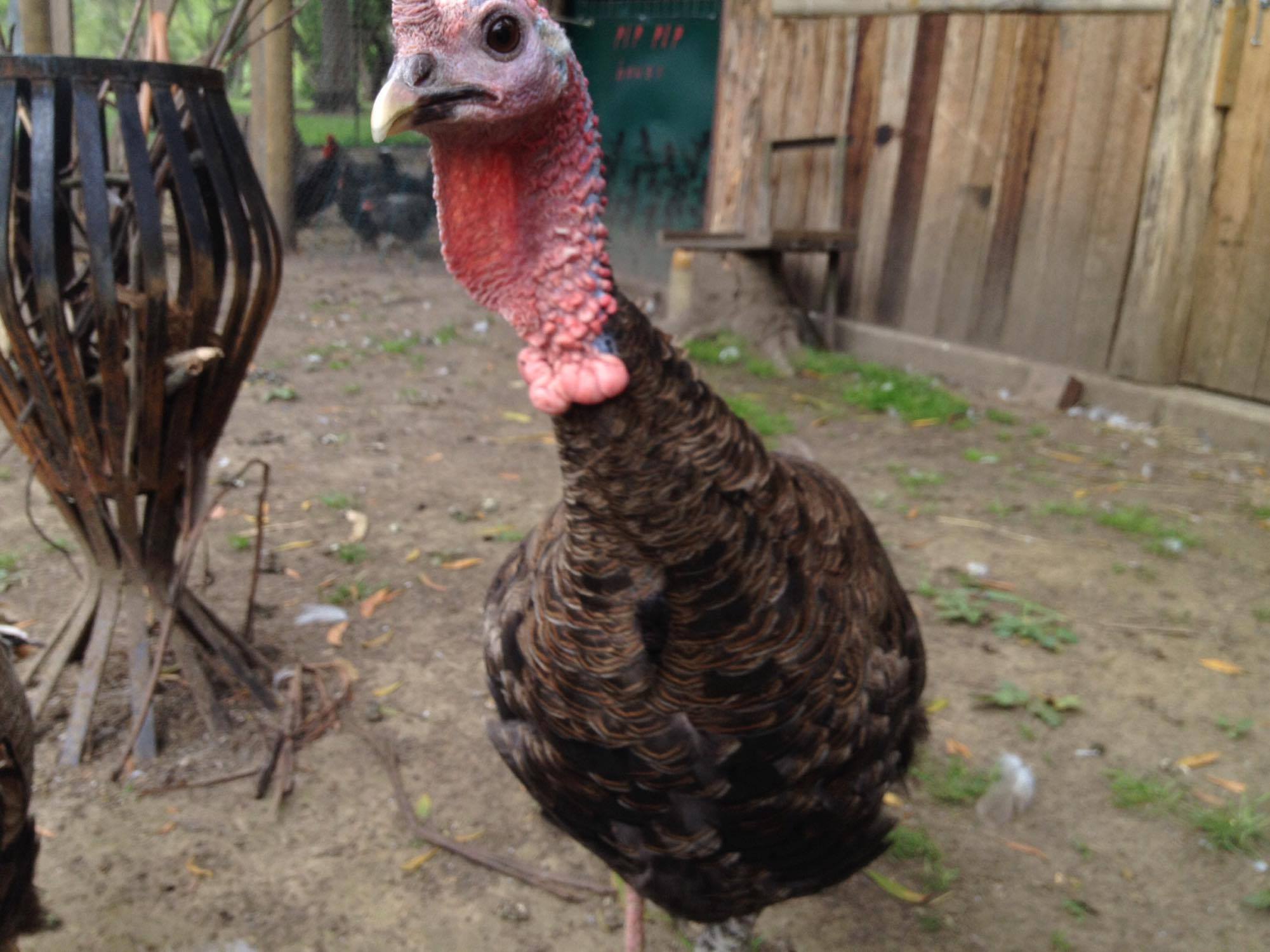
The Village Idiot
What can we say? We should have known what we were getting into when we hired Richard. He truly is one terribly unfortunate-looking bird.
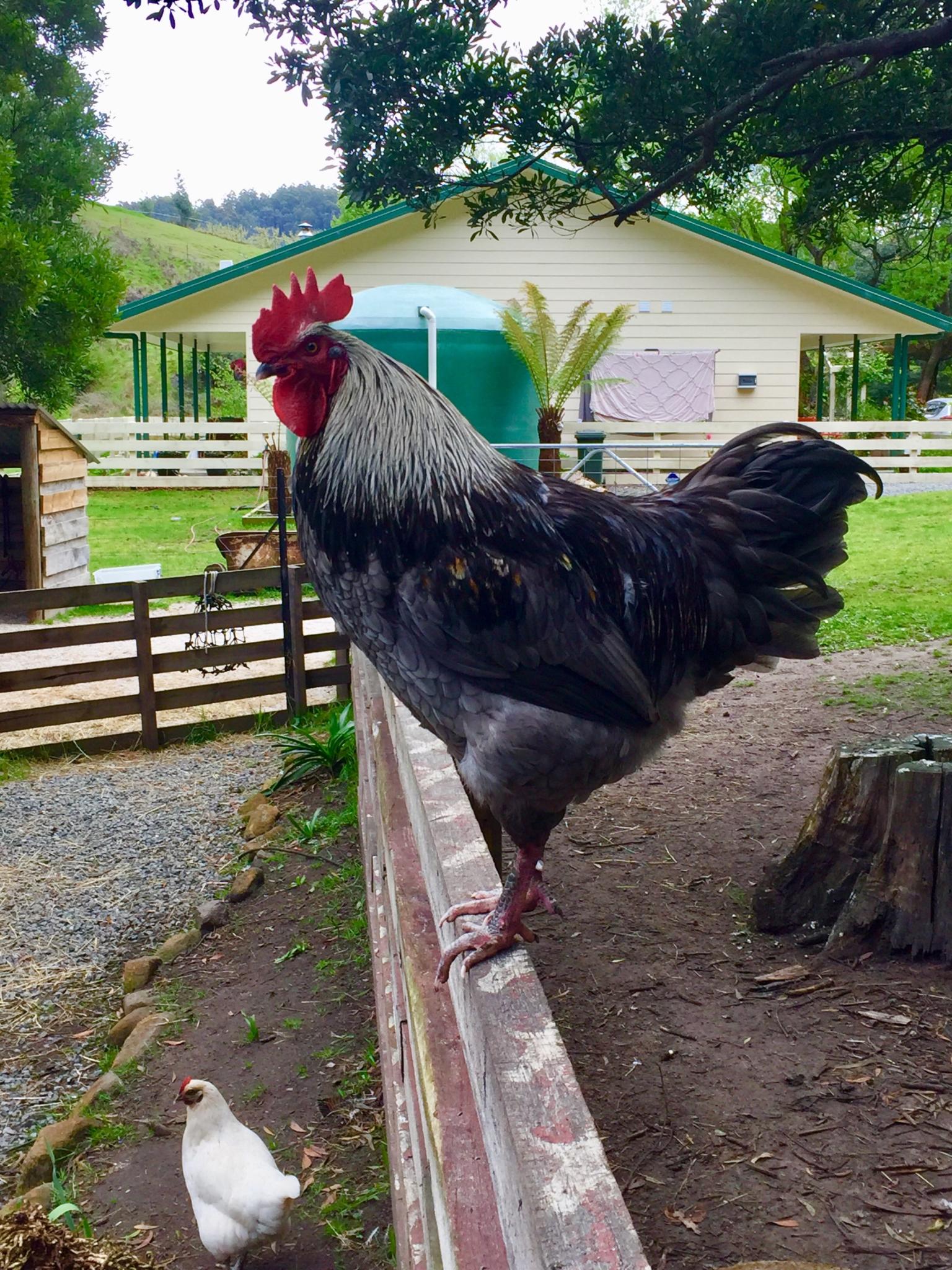
The Camp Bugler
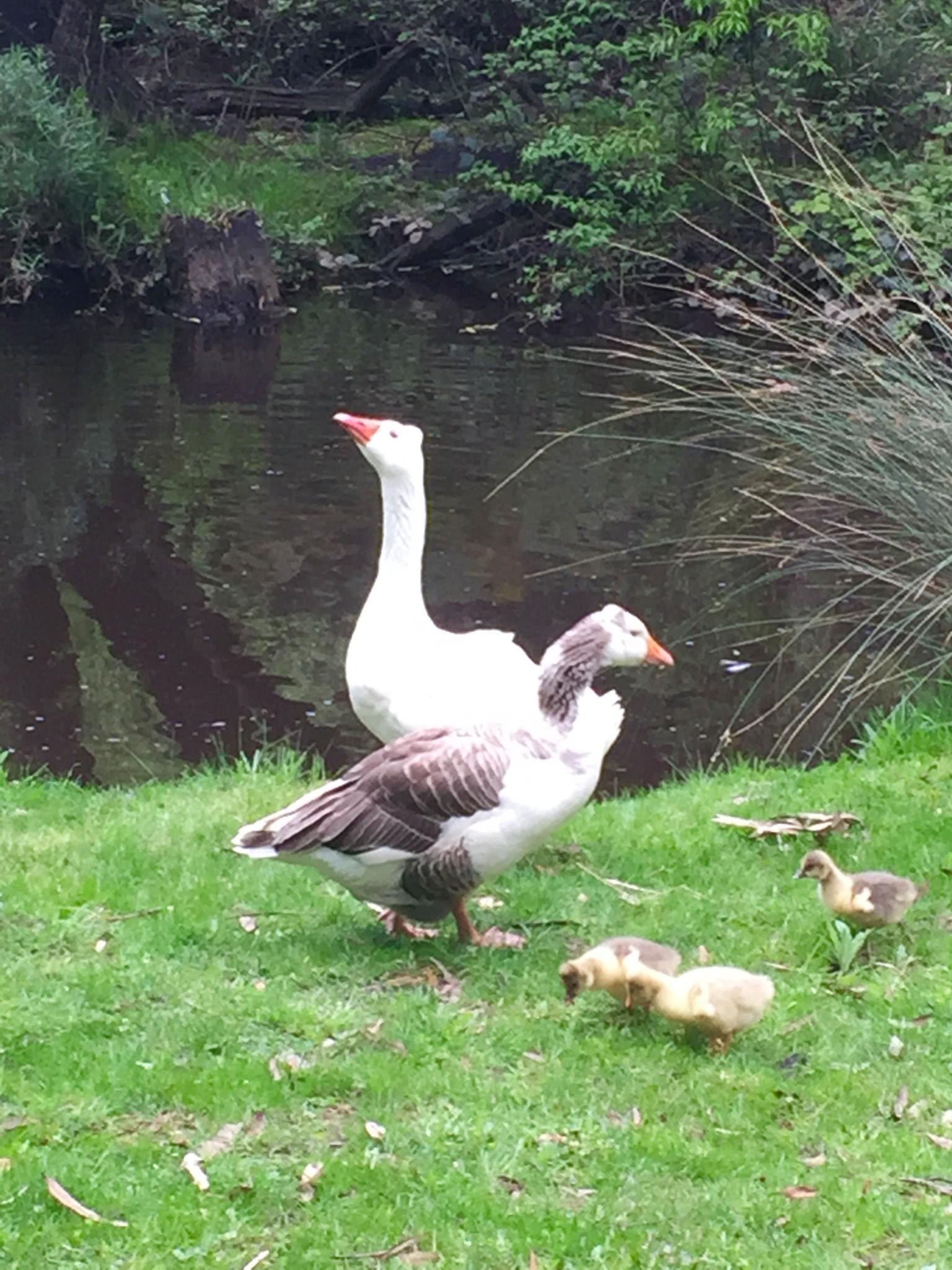
Swimming Instructors
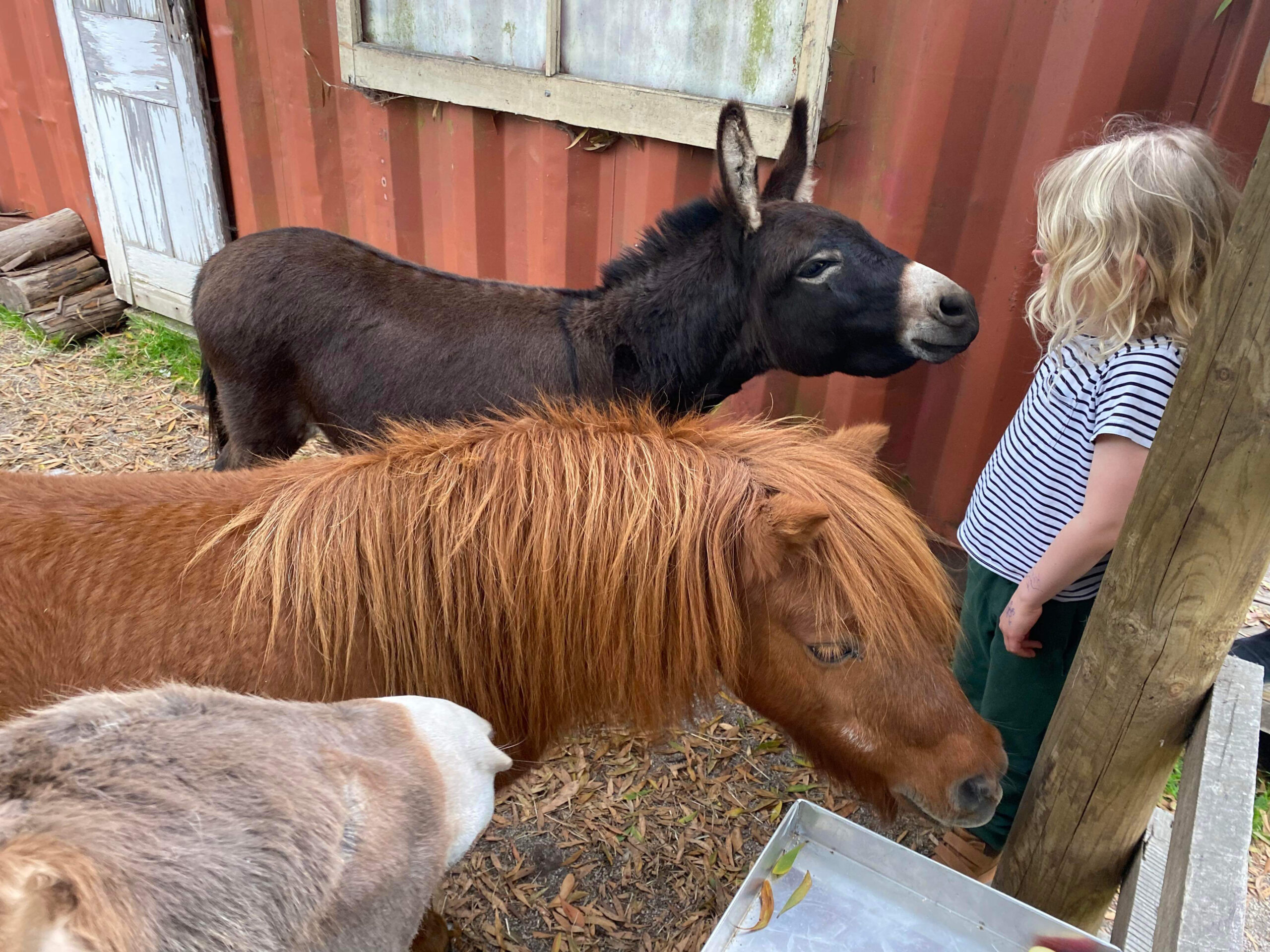
Carrot Thief
Tasmania is known for its unique plants and animals, many with ancient Gondwanan origins. Twelve bird species, three frogs, five mammals, over 500 plant species and countless invertebrates are found here and nowhere else in the world, not even mainland Australia.
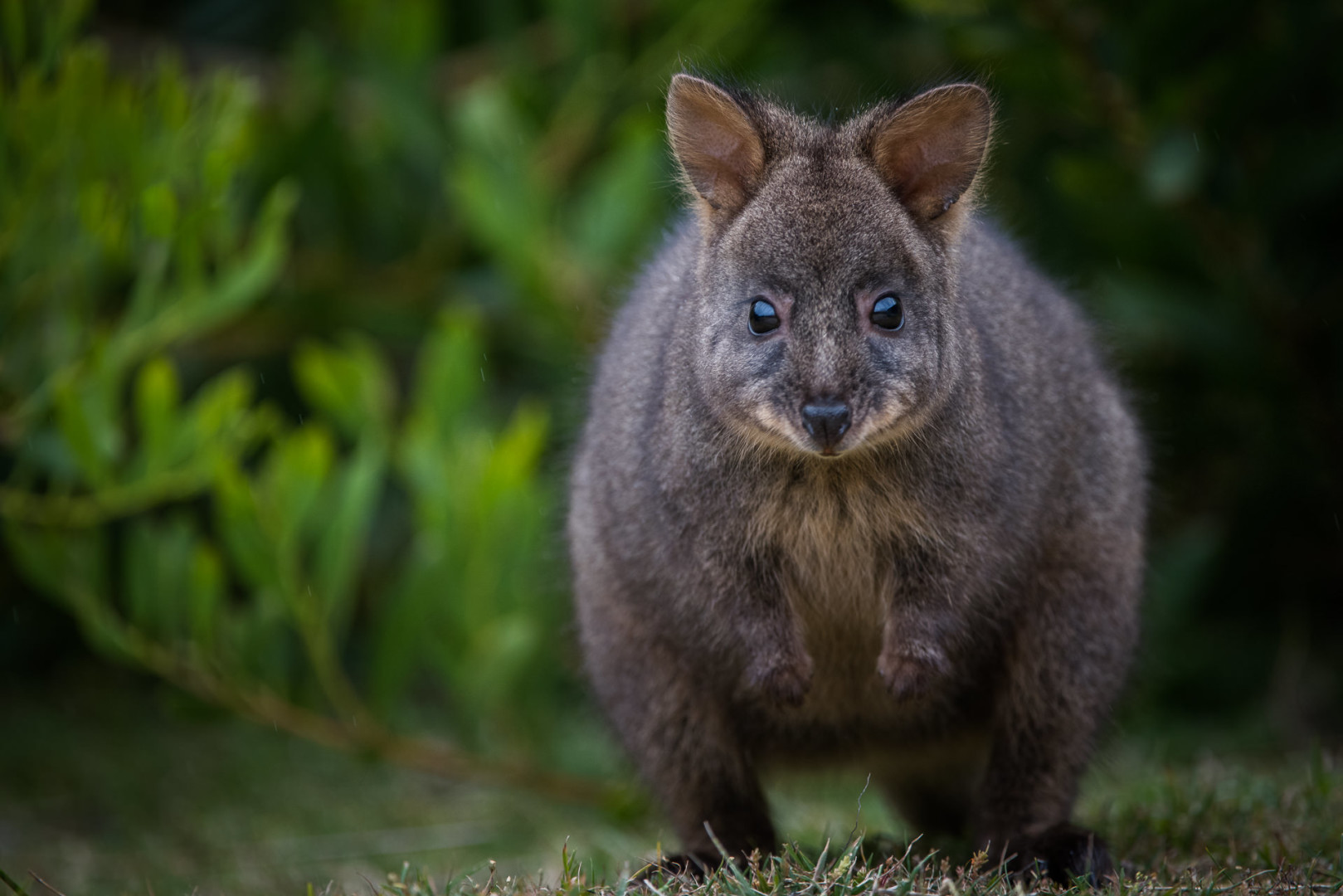
Thylogale billardierii
This cute and much smaller relative of the wallaby is found only in Tasmania. As the sun sets you’ll often see them chomping on plants along the river’s edge. Cuteness peaks in September, when spring joeys start exploring beyond the pouch.
Image: Sean Crane Photography
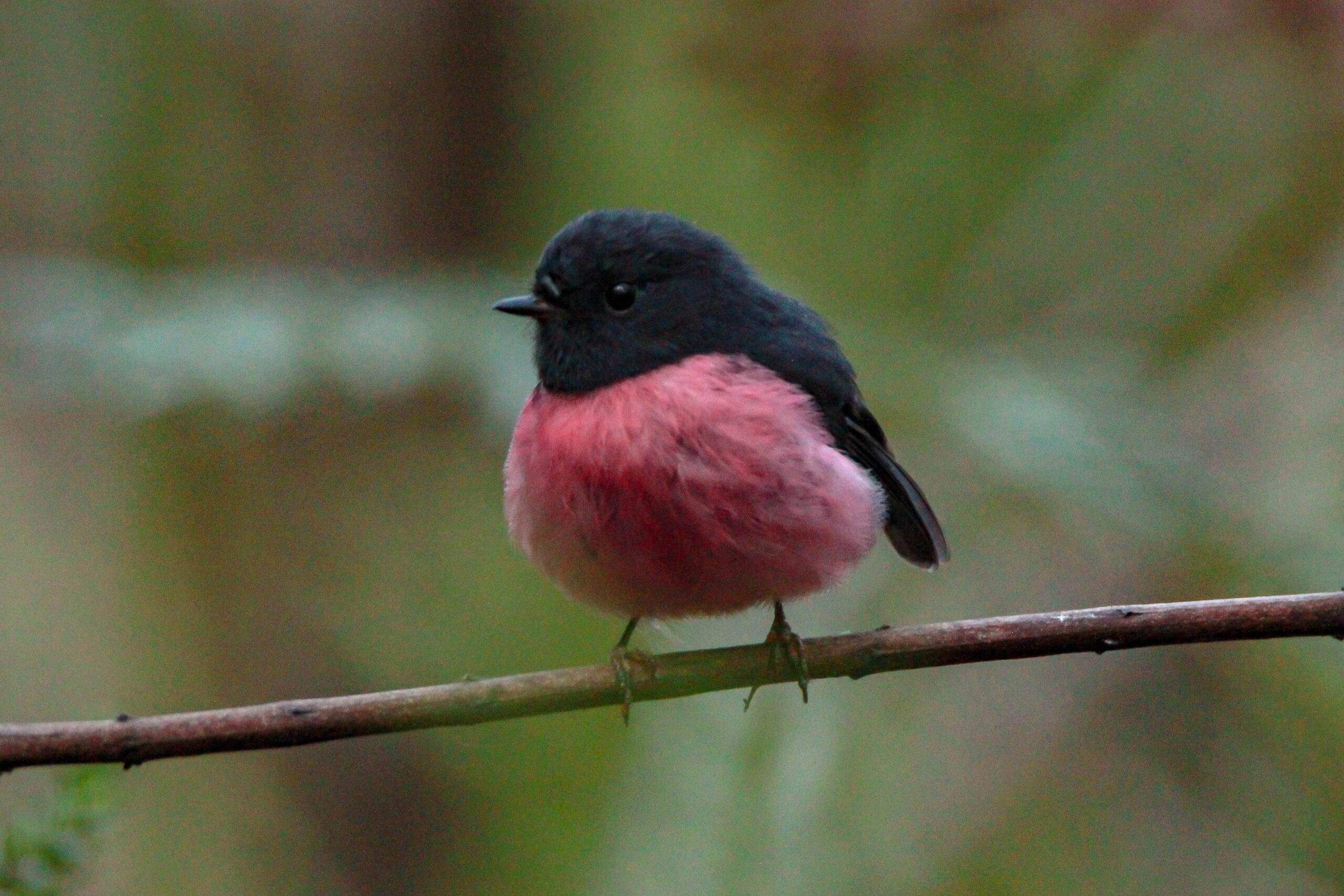
Petroica rodinogaster
Keep an eye out for these pink fluffballs flitting through the trees. They’re rare visitors to the cottage, but you can reliably find them 30 minutes away at Ida Bay or near Hastings Caves. Their cousins, scarlet robins, are often spotted around the cottage.
Image: Daniel Appleby Photography
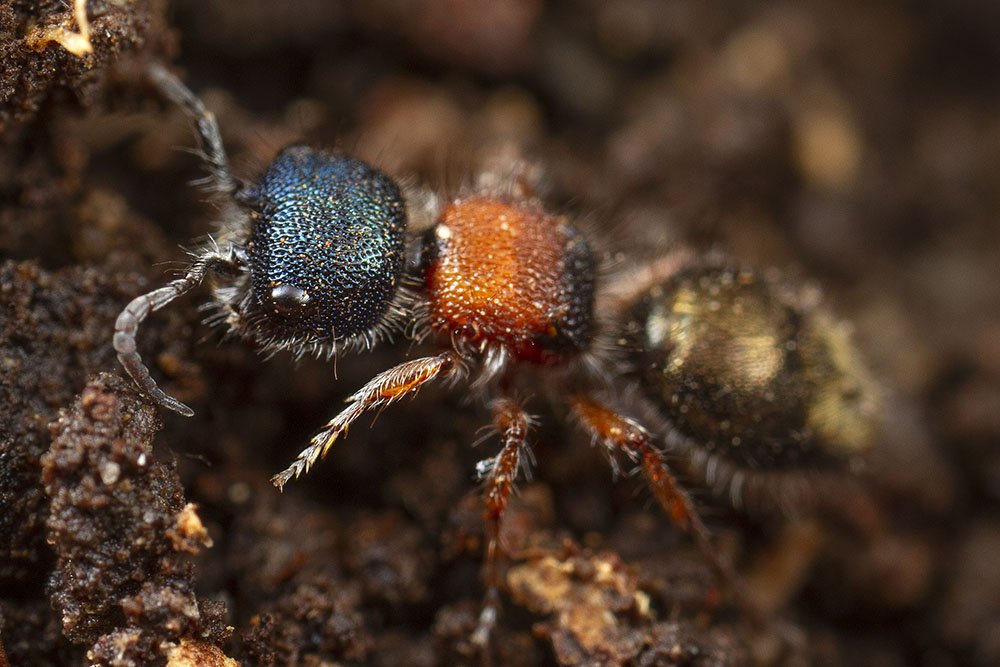
Ephutomorpha picta
Plenty of native insects hide in our eucalypt and acacia forest. This striking critter isn’t really an ant but a wingless female wasp, named after the Latin picta, painted, for her flashy outfit. Don’t worry, she’s tiny and not at all scary.
Image: Nick Porch Photography
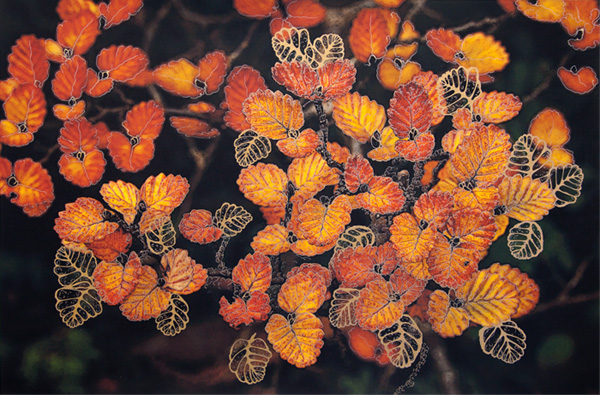
Nothofagus gunnii
Australia’s only cold-climate, winter-deciduous tree, whose leaves turn golden and drop completely. It grows only in Tasmania’s alpine country. See it put on a show in autumn on the dolerite landscape of Mount Field National Park.
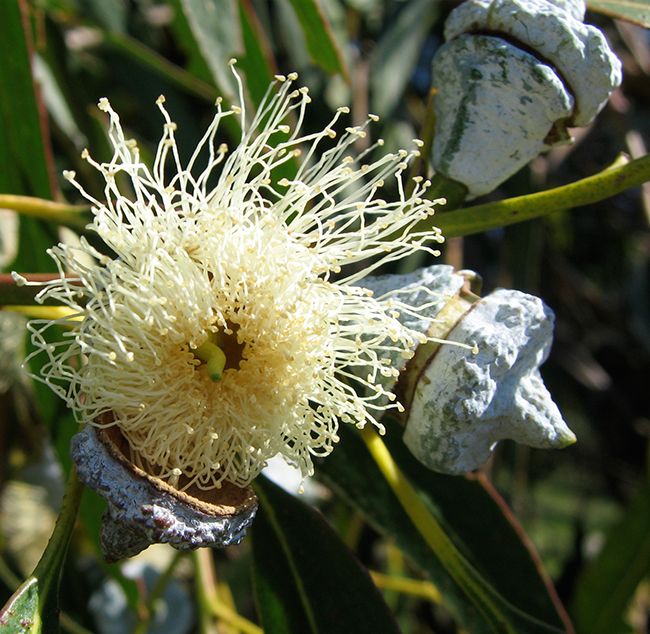
Eucalyptus globulus
Tasmania’s floral emblem and the dominant tree in our tall forest. Its sweet, subtle scent is the first thing you’ll notice stepping out of the car. Our bees love its flowers, which gives our honey its distinctive flavour.
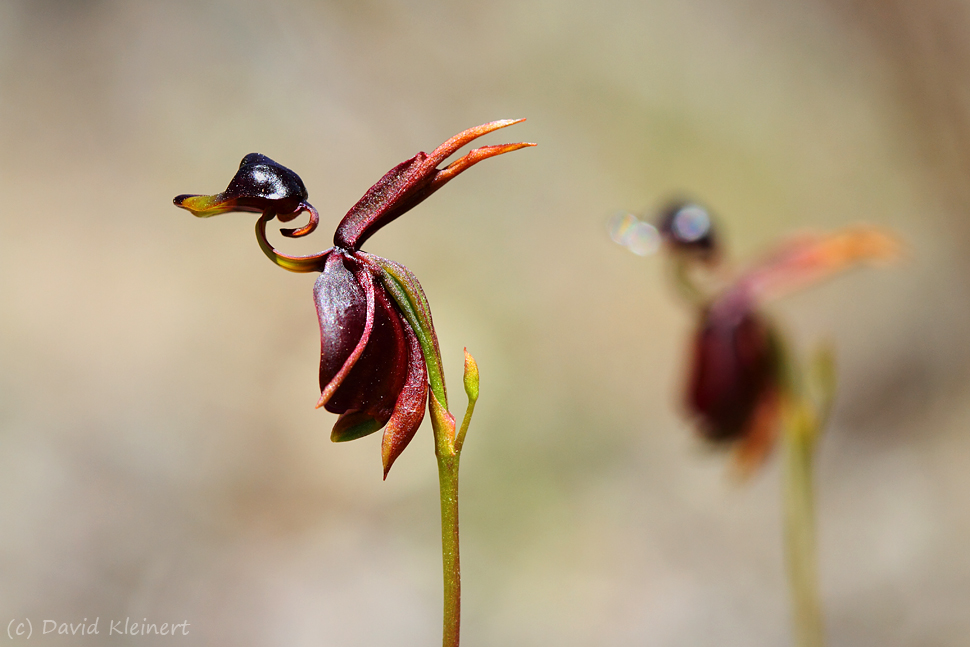
Caleana major
We couldn’t believe this one was real either. Look for them between September and January, growing in clusters in eucalypt woodland, coastal and swampy shrubland, and heath.
Image: David Kleinert